
English-speaking GI and Internal Medicine clinics in Tokyo
Tokyo has the widest choice of English-speaking GI and internal medicine care in Japan, with 97 clinics on Healthtomo where you can be understood without a translator. Internal medicine is the front door of the Japanese healthcare system for adults: it covers everyday illnesses like colds, fevers, high blood pressure, diabetes, and cholesterol, alongside gastrointestinal (GI) concerns such as stomach pain, reflux, bloating, and changes in bowel habits. Most of these visits fall under Japan's National Health Insurance, so if you are enrolled you typically pay 30 percent of the cost. For a neighborhood clinic you usually do not need a referral and can simply book or walk in, though large university hospitals often ask for one. A local internist can also arrange endoscopy (a camera exam of the stomach or bowel) and refer you onward for specialist testing when needed, as well as manage long-term conditions with regular checkups. The listings below highlight practices used to explaining diagnoses and next steps clearly in English, which makes describing symptoms and understanding your treatment far less stressful when you are far from home.
Ueno Medical Clinic
Seibo Hospital
Speaks English, Spanish, Japanese
Shirokane Sanko Clinic
Speaks English, Japanese
Bosei Shinjuku Minamiguchi Clinic
Speaks Japanese
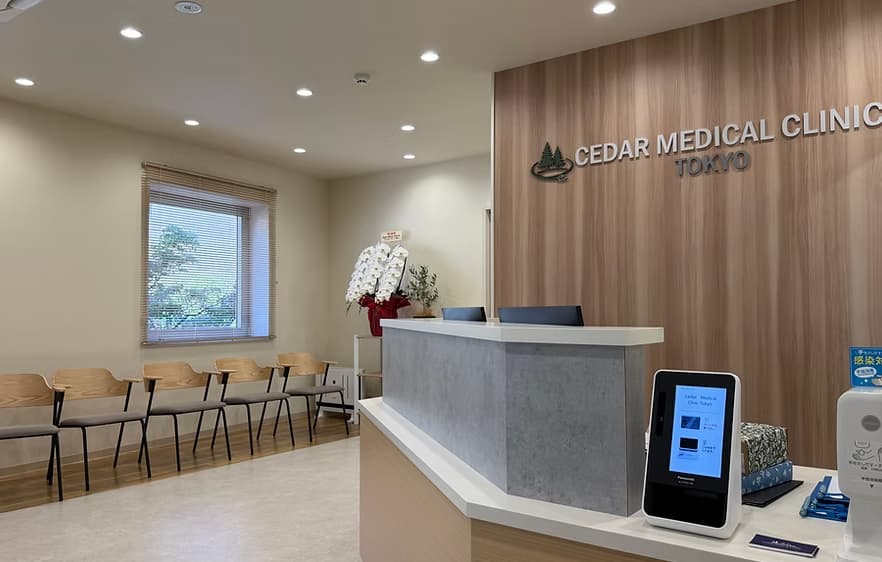
Cedar Medical Clinic Tokyo
Speaks English, Japanese
Daikanyama Parkside Clinic
Speaks English, Japanese
Plaza Clinic
Speaks English, Japanese
Ginza Medical Clinic
Speaks English, Japanese
Tokyo Station International Clinic
Speaks English, Chinese, Japanese
Higashi-Nakano St. Angela Clinic
Speaks Japanese
Minato Shiba Clinic
Speaks English, Japanese
Karasawa Clinic
Speaks English, Japanese
Hiroo Tower Clinic
Speaks English, Japanese
Koenji Jun Clinic
Speaks English, Chinese, Japanese
Ito Ojikamiya Internist and Surgery Clinic
Speaks Japanese
Suwa Child Family Clinic
Speaks English, Japanese
Kimura Clinic
Evergreen Medical Clinic
Speaks English, Chinese, Japanese
Higashinakano Clinic
Kawamura General Clinic
Speaks English, Japanese
Shiba International Coloproctological Clinic
Speaks English
Island Medical Clinic
Speaks English, Japanese
Yamauchi Heart Clinic
Speaks Japanese
Aoyama Akashi Clinic
Speaks English, Japanese
PSI Clinic
Speaks Japanese
Keyakisakaue Medical & Dental Clinic
Speaks Japanese
Kodama Kyōdō Hospital
Speaks Japanese
Takuma Neurology Clinic
Speaks English, Japanese
Tokyo Medical and Surgical Clinic
Speaks German, English, Japanese
Brain and Physical Clinic Kanenaka Neurosurgery
Speaks English, Japanese
Takayama Clinic
Speaks Hindi, English, Turkish
SAKURA International Clinic Tokyo
Speaks English, Japanese
Yuri Clinic
Speaks English, Japanese
Kijima Pediatric & Otorhinolaryngology
Speaks English, Japanese
Kunitachi Seirin Clinic
Motoazabu Hills Medical Clinic
Speaks English, Japanese
Akabane Pediatric Clinic
Speaks English, Japanese
Roppongi Clinic
Speaks Thai, English, Tagalog
Tokyo Hub Clinic
Speaks English, Japanese
Kantō Central Hospital of the Mutual Aid Association of Public School Teachers
Speaks English, Japanese
Jiyugaoka Medical Endoscopy Clinic
Speaks English, Japanese
Roppongi Breast Ladies Clinic
Speaks Japanese
Musashi-Koganei Midori Clinic
Speaks English, Japanese
MY Medical Clinic Tamachi Mita
Speaks English, Japanese
Ohira Clinic
Speaks English, Chinese, Japanese
Toranomon Ozawa Clinic
Speaks English, Japanese
Sato Gastroenterological Medicine Clinic
Speaks Japanese
Takeshiba Waterside Clinic
Speaks English, Japanese
Common questions
Do I need a referral to see an internal medicine or GI doctor in Tokyo?
For most neighborhood clinics, no. You can usually book directly or walk in. A referral is more often requested by large university or general hospitals, which typically handle complex cases and advanced testing. If a clinic finds something that needs specialist care, they will write the referral for you.
Will my Japanese health insurance cover the visit?
Internal medicine and gastroenterology consultations are generally covered by Japan's National Health Insurance. If you are enrolled, you usually pay 30 percent of the cost, with the remainder covered by the plan. Bring your insurance card to every visit. Fees vary by clinic and by what is done during the appointment.
What kinds of problems does an internal medicine or GI clinic in Tokyo handle?
General adult medicine such as colds, flu, fevers, and lifestyle-related conditions like high blood pressure, diabetes, and high cholesterol, plus digestive issues including stomach pain, acid reflux, bloating, constipation, diarrhea, and blood in the stool. Many clinics also arrange endoscopy and coordinate ongoing care for chronic conditions.
Can I get a stomach or colon camera exam through these clinics?
Many GI clinics either perform endoscopy on-site or refer you to a partner facility. Your doctor decides whether an exam is appropriate based on your symptoms. Ask when booking whether the clinic offers endoscopy directly, as availability and scheduling differ from one practice to another.
How do I make sure the doctor really speaks English?
Every clinic listed here is flagged as English-speaking, but the level can range from a fully bilingual doctor to English-capable staff. Each listing shows the languages supported. If clear English communication is essential for your visit, mention it when you book so the clinic can prepare.