
Getting Glasses in Japan: A Guide for Visitors and Foreign Residents
Japan’s optical chains sell complete prescription glasses at low prices, with free eye tests and same-day pickup for simple prescriptions. Bifocal-style progressive lenses take about a week, so visitors should order early in their trip and pick up before they leave, while residents can just take their time, and anyone with an eye infection or other eye problem can find an English-speaking eye doctor on healthtomo.
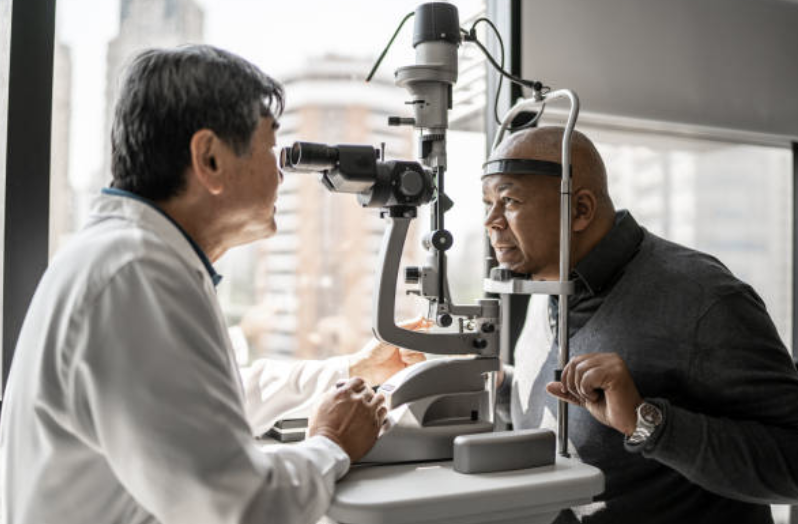
Getting Glasses in Japan: A Guide for Visitors and Foreign Residents
Affordable prescription glasses — even bifocals — whether you're here for two weeks or two years.
Whether you're visiting Japan or living here, getting new glasses is easier and cheaper than many people expect. Japan's big optical chains sell complete glasses — frame and lenses — starting from ¥5,500 to ¥7,000, give free eye tests, and can make simple prescriptions in about 30 minutes. Even bifocal-style progressive lenses are available, as long as you allow about a week.
This guide is for two kinds of readers: visitors who want to turn a trip into a glasses upgrade, and foreign residents who want a simple, affordable way to get glasses here, without needing much Japanese.
For visitors: "Order on Day One, Wear Them Home"
The biggest mistake visitors make is walking into a glasses shop on their last afternoon. Simple single-vision glasses can often be ready the same day, but progressive (bifocal-style) lenses, tinted lenses and other special orders take about a week or more.
So build your glasses into your itinerary:
Day 1 or 2 — Get tested and order. Visit a store near your hotel (most are in big stations, department stores and shopping malls). Bring your passport and, if you have one, your current prescription or your current glasses.
Go travel. Kyoto, Osaka, Hokkaido, wherever. Your lenses are being made.
Last days — Collect at the same store. Try them on, get the fit adjusted, and wear them home.
The key rule: you must pick up at the branch where you ordered. Plan to order in the city where you'll be at the start and the end of your trip — usually Tokyo or Osaka.
For foreign residents: an easy weekend errand
If you live in Japan, you don't have to plan around a flight, and you have a few extra advantages:
No time pressure. Waiting 1–2 weeks for progressives is no problem, so you can choose any lens option.
Quick replacement. If you break or lose your glasses, a standard prescription can often be ready the same day.
Keep the frame you love. Some places offer to replace the lenses in glasses bought at other shops for one fixed price (¥7,700 tax included), which is useful for a frame you brought from home.
Use the warranty. If the new prescription doesn't feel right within 6 months, JINS and Zoff may offer to change the lenses. Make sure to try them before you fly, because fixing them under warranty later is hard from abroad. Before buying, ask the store whether it ships overseas and whether its warranty works in your home country.
Want a doctor's check? A visit to an eye clinic (眼科, ganka), and the doctor can write a prescription you take to any glasses shop. The glasses themselves are usually not covered.
Not much Japanese needed. JINS welcomes non-Japanese speakers and suggests using a translation app, and stores in big cities are used to foreign customers.
Note on tax: tax-free shopping is only for visitors, so residents pay the normal tax-included price, which is already low.
Why get glasses in Japan? The facts
Low, simple prices. At JINS, glasses start from ¥5,900 including thin aspheric lenses. Zoff sets start from ¥5,500 including tax. At OWNDAYS, the frame price (from ¥7,000 tax included) is the whole price — standard high-index aspheric lenses cost nothing extra.
Fast. JINS and Zoff can hand over glasses in as little as about 30 minutes after payment, if your prescription is within the lenses that branch keeps in stock.
Free eye tests. JINS, Zoff and OWNDAYS all advertise free in-store eye exams. JINS also accepts foreign prescriptions within its lens range, and can copy the prescription from a pair you already wear.
Foreigner-friendly. JINS explicitly welcomes non-Japanese speakers, Zoff has a guide page in English, Chinese, Korean and Thai, and many city branches are tax-free shops for visitors.
Japan is an eyewear country. About 95% of Japan's eyeglass frames are made in the Fukui–Sabae region, which developed titanium frames in the early 1980s.
More optical chains to know
JINS, Zoff and OWNDAYS are the names many travelers hear first, but Japan has many other optical chains. Each has its own prices, lens options and services, so it's worth visiting a few and comparing.
Megane Ichiba (眼鏡市場). One of Japan's largest chains, with more than 1,000 stores nationwide. Its prices include lenses, with sets starting from ¥13,200 (tax included) and around 30 lens types to choose from. The company also runs its own factory in Sabae, Fukui.
Fuji Megane (富士メガネ). A long-established optical chain, well known in Hokkaido. It has worked with the UN Refugee Agency (UNHCR) since 1984, providing glasses and eye care to refugees around the world, and is UNHCR's longest-standing private-sector partner.
And more. You'll also find chains like Paris Miki and many independent local opticians, especially in shopping malls and around major stations.
Bifocals and progressive lenses: yes, but allow a week
In Japanese stores, look for 遠近両用 (enkin ryōyō) — "for both far and near." This is how shops describe bifocal-style glasses, and in practice it usually means progressive lenses (no visible line, with a smooth change from distance to reading).
A few things to know:
Compare before you buy. Progressive lenses may cost extra, and prices, lens options, wait times and warranties differ by store and change often. Check each chain's website and ask in store to find what suits you best. Ask whether you can exchange to regular lenses if you can't get used to progressives, and plan to order them in person.
"7 working days" is not 7 calendar days. Weekends and holidays can push it longer, so visitors should order as early in the trip as possible.
Same-day is mainly for standard single-vision lenses. Most special lenses (progressive, tinted, polarized, photochromic) start at about a week.
Rule of thumb: visitors who want progressives should stay at least 10–14 days and order in the first two days. Residents can simply allow 1–2 weeks.
For visitors: tax-free shopping changed in November 2026
If you're visiting, this is important and very new. From November 1, 2026, Japan changed tax-free shopping to a refund system. You now pay the full price, including 10% consumption tax, at the store. You get the tax back after customs confirms your purchases when you leave Japan.
What this means for glasses:
Spend ¥5,000 or more (before tax) at one store on the same day to qualify. Most glasses easily pass this.
Shop at a branch marked TAX FREE — not every branch offers it — and bring your passport.
Keep your purchase records and do the refund procedure at departure, before check-in.
Since glasses are not consumables, you can wear them straight out of the store.
What can go wrong (and how to avoid it)
Visitors: they usually can't be mailed abroad. JINS treats glasses as medical devices and won't send them overseas by courier. If your glasses won't be ready before your flight, you may not get them. Order early.
Collect at the same branch. You can't order in Tokyo and pick up in Osaka.
Check the warranty. JINS's warranty only works in Japan (6 months, including a free lens change if the prescription is wrong). Zoff also offers a 6-month prescription warranty. OWNDAYS says its warranty can be handled at stores outside Japan, but check the terms when you buy.
Very strong or complex prescriptions may not be in stock, which means a longer wait. Ultra-thin lenses at OWNDAYS take 7–10 days.
Eye health first. OWNDAYS recommends getting a prescription from an eye doctor (ophthalmologist) for children under 16 and people wearing glasses for the first time, and store tests can't measure everything (such as prism). A store eye test is not a medical eye exam.
Need an eye doctor? Search on healthtomo
A glasses store is not a medical clinic. If you get an eye infection or red, painful eyes during your stay, want to talk to an eye doctor (ophthalmologist, 眼科 ganka), or are thinking about eye surgery, see a doctor.
To find one you can communicate with, search on healthtomo. It's a directory of English-speaking healthcare providers across Japan: you can search by language, specialty and insurance, read patient reviews, and book online. Its ophthalmology listings show which languages each clinic speaks and whether you need an appointment or can walk in. It currently serves Tokyo, Osaka, Kyoto and Fukuoka.
Visitors: you're generally not covered by Japan's national health insurance, so get travel insurance before your trip.
Residents: check that the clinic accepts your health insurance — you can filter by insurance on healthtomo.
Emergencies: for an eye injury, chemicals in the eye or sudden loss of vision, don't wait — go to an emergency department or call 119.
Bonus idea - visit Japan's "glasses town"
Want a souvenir with a story? Visit Sabae in Fukui Prefecture, the center of Japanese frame-making for more than 100 years. The Megane Museum ("megane" means glasses) shows how frames are made, offers workshops, and has a shop with frames from dozens of local Fukui makers. Sabae is about 15 minutes by local train from Fukui Station, an easy half-day trip from Kanazawa.
For residents, it makes a great weekend trip. Visitors can combine it with the "Order on Day One" plan: get tested in Tokyo, choose a Fukui-made frame, and go home wearing a pair made in Japan.
Quick checklist
- Visitors: passport (for the tax refund)
- Your current glasses or written prescription
- Visitors: order at the start of your trip, especially for progressives
- Visitors: order where you'll be at the end of your trip
- Confirm the pickup date before you pay
- Visitors: keep your receipts for the tax refund at departure
Prices and wait times are from each chain's official information and travel guides as of 2026 and may change. Check in store before ordering.