
5 Steps to Take If Your Child Gets Sick in Japan
If your child gets sick in Japan, staying calm and knowing where to seek medical care can make all the difference. This guide walks international residents and visitors through five simple steps to help them access the right care quickly and confidently.
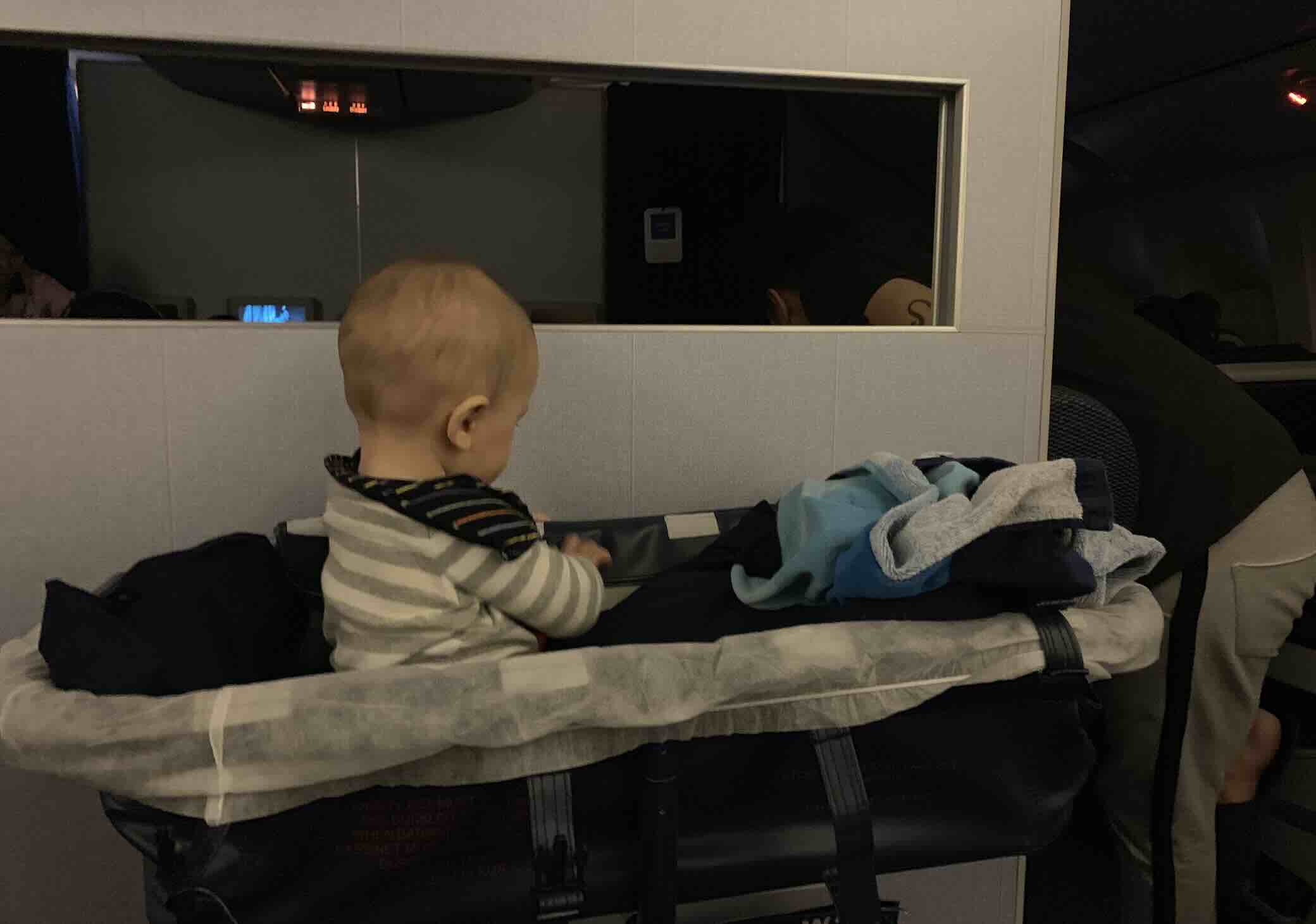
Traveling or living in Japan with children can be a wonderful experience, but it can also be stressful when your child suddenly becomes sick. Whether it's a fever, stomach bug, cough, or an unexpected injury, knowing what to do can make the situation much less overwhelming.
Japan has an excellent healthcare system, but language barriers and unfamiliar medical services can make it difficult for international residents and visitors to know where to go. Here's a simple guide to help you navigate the next steps if your child becomes ill.
1. Stay Calm and Check Your Child's Symptoms
The first step is to stay calm. Most childhood illnesses, such as colds, mild fevers, and stomach bugs, improve with rest and supportive care.
Check your child's:
Temperature
Breathing
Activity level
Ability to drink fluids
Signs of dehydration or severe pain
For mild symptoms, over-the-counter (OTC) medications are available at many Japanese drug stores. However, the selection may differ from what you're used to in your home country, and some medications commonly sold overseas are not available in Japan.
If you're visiting Japan, it's a good idea to bring children's fever medicine, cough medicine, allergy medication, and any prescription medications your child regularly takes.
2. Not Sure if It's an Emergency?
It isn't always easy to know whether your child needs immediate medical attention or can safely wait until the next available clinic.
Japan provides helpful emergency medical guides that explain when to seek urgent care based on your child's symptoms. If your child has difficulty breathing, loses consciousness, has a seizure, or develops severe allergic reactions, seek emergency medical care immediately.
When in doubt, it's always safer to have your child evaluated by a healthcare professional.
3. Visit a Clinic or See an Online Doctor
If your child's symptoms are not life-threatening but require medical attention, contact a nearby pediatric clinic or use an online medical consultation service.
Finding an English-speaking clinic can sometimes be challenging, especially outside major cities.
HealthTomo can help connect you with English-speaking clinics and doctors across Japan, making it easier to receive medical care without the stress of language barriers.
Many clinics require appointments, while others accept walk-in patients. Bringing your passport, residence card (if applicable), health insurance card, or travel insurance information will help make the visit smoother.
4. Go to a Hospital if Symptoms Get Worse
If your child's condition does not improve or becomes more serious, visit a hospital as soon as possible.
Hospitals are better equipped to perform blood tests, imaging studies, and provide specialized pediatric care when needed.
Keep in mind that some larger hospitals may require a referral from a clinic for non-emergency visits, although emergency departments will treat urgent cases regardless.
If you're unsure where to go, HealthTomo's nationwide clinic search can help you find hospitals and pediatric facilities that welcome international patients.
5. In a Life-Threatening Emergency, Call 119
If your child has severe breathing problems, becomes unconscious, experiences a seizure, has severe bleeding, or you believe their life is in danger, call 119 immediately for an ambulance.
Ambulance services in Japan are generally free of charge, and emergency responders are highly trained to care for children.
If you're staying at a hotel, don't hesitate to ask the front desk staff for assistance—they are often experienced in helping international guests access emergency medical services.
Remember, Japan has one of the world's safest and most advanced healthcare systems. Your child will receive excellent medical care when they need it.
Travel Tip: Be Prepared Before You Need Care
A little preparation can make a big difference during your trip.
Before traveling to Japan, consider packing:
Children's fever medicine
Cough medicine
Allergy medication
Any prescription medications
Insect repellent
Sunscreen
A thermometer
It's also strongly recommended to purchase travel insurance before your trip. While Japan's medical costs are generally reasonable compared with some countries, treatment, hospitalization, and emergency care can still become expensive for visitors without insurance.
Final Thoughts
No parent wants their child to become sick while away from home, but knowing what to do can provide peace of mind. Stay calm, monitor your child's symptoms, seek medical advice when needed, and don't hesitate to call 119 in a life-threatening emergency.
At HealthTomo, we're here to help international residents and visitors find English-speaking healthcare throughout Japan, so you can focus on what matters most—helping your child recover quickly and safely.