
What to Bring to a Hospital or Clinic in Japan
Not sure what to bring to a hospital or clinic in Japan? Whether you're an international resident or visiting Japan, being prepared can make your medical visit much smoother. This guide covers everything you need—from your health insurance card and identification to medication lists, payment methods, and translation support—so you can access healthcare in Japan with confidence.
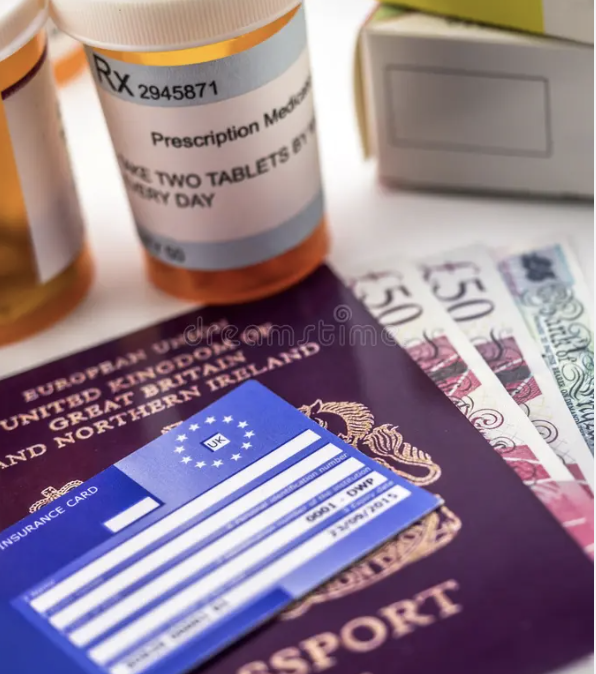
What to Bring to a Hospital or Clinic in Japan: A Complete Checklist for International Residents and Tourists
Whether you've caught a cold, need to see a specialist, or have an unexpected injury while traveling, visiting a medical facility in Japan can feel overwhelming—especially if it's your first time.
Fortunately, being prepared can make your visit much smoother. Here's everything you should know before visiting a clinic or hospital in Japan.
1. Identification
Always bring a photo ID.
International residents can use:
Residence Card (Zairyu Card)
Passport (if you don't yet have your residence card)
Tourists should bring:
Passport
Most clinics and hospitals will ask for identification during registration.
2. Health Insurance Card
If you're a resident
Bring your:
National Health Insurance Card
Employee Health Insurance Card
My Number Card (if linked to your health insurance)
Without your insurance card, you may need to pay the full medical fee upfront and request reimbursement later.
If you're visiting Japan
Japan's National Health Insurance generally does not cover tourists.
Bring:
Travel insurance information
International health insurance card (if applicable)
Some travel insurance companies require receipts, itemized invoices, and medical certificates for reimbursement, so be sure to keep all documents you receive.
3. Passport (Recommended for Everyone)
Even residents may find it useful to carry a passport for identity verification in certain situations.
For tourists, it is essential.
4. List of Your Medications
Bring a list that includes:
Medication names (preferably the generic name)
Dosage
Frequency
The condition being treated
If possible, bring the medications in their original packaging.
Many medications sold overseas have different brand names in Japan, so knowing the generic name helps doctors identify an equivalent medication.
5. Allergy Information
Write down any allergies, including:
Medications
Foods
Latex
Contrast dye
Other significant allergies
This information is especially important if you require emergency treatment.
6. Previous Medical Records (If Relevant)
If you're seeing a specialist, bring:
Recent blood test results
Imaging reports (X-ray, CT, MRI)
Referral letters
Vaccination records (especially for children)
Japanese doctors appreciate having previous medical information, particularly for chronic or ongoing conditions.
7. Payment Method
Not every clinic accepts credit cards.
It's a good idea to bring:
Cash (Japanese yen)
Credit card
IC payment card or mobile payment (where accepted)
Small neighborhood clinics may only accept cash.
8. Translation Support
If you don't speak Japanese, consider bringing:
A medical interpreter
A bilingual family member or friend
A translation app
Your symptoms written in Japanese or English
Many clinics have limited English support, so it's a good idea to ask in advance whether English-speaking staff or interpreter services are available.
If you need language assistance, request an interpreter when making your appointment, as interpreter availability is often limited and may require advance booking.
healthtomo can help you find English-friendly healthcare providers and clinics offering multilingual support throughout Japan.
9. Your Appointment Information
If you booked in advance, bring:
Appointment confirmation
Reservation number
Clinic address
Phone number
Arrive 10–15 minutes early, especially if it's your first visit, as you'll likely need to complete registration forms.
Japanese Medical Etiquette
Punctuality is highly valued in Japan.
If you're running late or cannot make your appointment, call the clinic as soon as possible to let them know. Many clinics operate on tight schedules, and notifying them is considered courteous. If you need to cancel or reschedule, contacting the clinic in advance also allows another patient to use the appointment slot.
Some popular specialists have waiting lists, so missed appointments without notice may affect your ability to book future visits.
10. Maternal and Child Health Handbook (For Parents)
If you're pregnant or bringing your child, don't forget your Maternal and Child Health Handbook (Boshi Techo).
Japanese healthcare providers use this handbook to record:
Pregnancy progress
Child growth
Vaccinations
Health history
It's an important document for continuity of care.
How Much Does a Consultation Cost?
The cost depends on your insurance status and the type of medical facility.
For residents with Japanese health insurance:
A typical first consultation at a clinic is approximately ¥1,000–¥3,000, excluding medications and additional tests.
Follow-up visits are often less expensive.
For visitors without Japanese health insurance:
Consultation fees generally range from ¥5,000–¥15,000 or more, depending on the clinic, specialty, and any tests performed.
Emergency care, imaging, and specialist consultations can cost significantly more.
If you're unsure about the expected cost, don't hesitate to ask the clinic before your appointment.
Bonus: Items That Make Your Visit More Comfortable
Depending on your situation, you may also want to bring:
Water bottle
Glasses instead of contact lenses
Phone charger
Notebook for doctor's instructions
Face mask (some clinics still request or require one)
Sweater or light jacket (hospital waiting rooms can be cool)
Quick Checklist
✅ Passport or Residence Card
✅ Health Insurance Card and Child Healthcare Subsidy Card (if applicable)
✅ Medication list
✅ Allergy information
✅ Previous medical records
✅ Payment method
✅ Appointment confirmation
✅ Translation support (if needed)
✅ Maternal and Child Health Handbook (if applicable)
Final Thoughts
Healthcare in Japan is known for its high quality, but the process may be different from what you're used to. Bringing the right documents, arriving on time, and preparing for communication can make your visit much smoother and reduce unnecessary stress.
If you're looking for English-speaking or international-friendly clinics and hospitals in Japan, Healthtomo makes it easy to search healthcare providers by language, specialty, and location. Whether you need a same-day appointment, multilingual support, or a specialist, Healthtomo helps you find the right care with confidence.