
Japan's Healthcare System Explained : What's Covered by Insurance and What's Not
Japan's healthcare system offers affordable, high-quality medical care for eligible residents through public health insurance, but many services—including cosmetic treatments, private rooms, and routine checkups—are not covered. Visitors to Japan are generally not eligible for national health insurance, making travel or private health insurance essential, and services like HealthTomo can help international patients find healthcare providers that are welcoming to foreign patients.
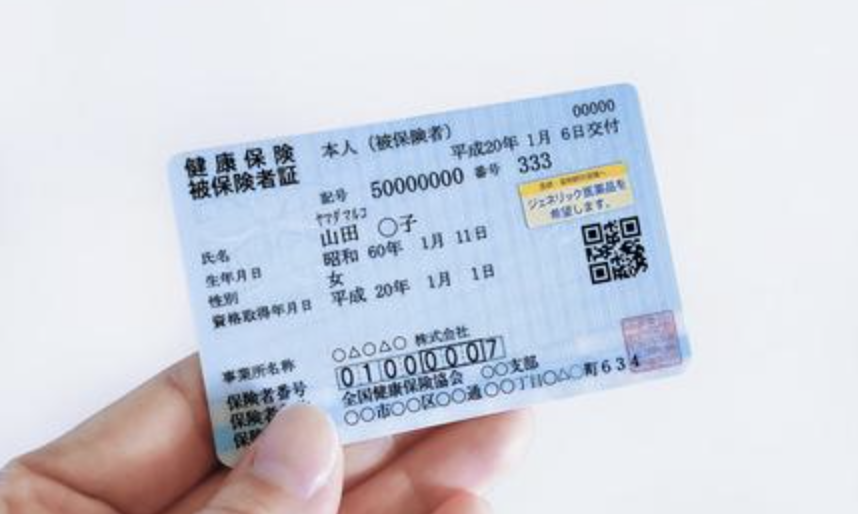
Japan is known for having one of the world's most accessible and affordable healthcare systems. Residents enjoy broad access to hospitals, clinics, specialists, and prescription medications through the country's public health insurance programs. However, many newcomers, international residents, and travelers are often surprised to learn that not every medical service is covered—and that visitors to Japan are generally not eligible for Japan's national health insurance system.
Whether you're moving to Japan, living here long-term, or planning a short visit, understanding what is and isn't covered can help you avoid unexpected medical expenses and find the right healthcare provider when you need one.
How Japan's Health Insurance System Works
Japan operates a universal healthcare system that requires eligible residents to enroll in either National Health Insurance (NHI) or an Employee Health Insurance plan through their employer.
Once enrolled, patients typically pay only 10–30% of approved medical costs, while the insurance system covers the remainder. This makes healthcare significantly more affordable than in many other countries.
However, eligibility is generally based on residency status. People living in Japan on eligible visas are usually required to join the system, while short-term visitors are not.
What Is Usually Covered?
Japan's public health insurance covers treatments that are considered medically necessary.
Examples include:
Visits to primary care physicians and specialists
Hospitalization
Surgery
Emergency medical care
Diagnostic testing such as blood tests, X-rays, CT scans, and MRIs
Prescription medications approved under the insurance system
Mental health treatment and psychiatric care
Rehabilitation and physical therapy when medically indicated
In most cases, patients can visit specialists directly without needing a referral, although some larger hospitals may charge additional fees for first-time patients who arrive without one.
What Is NOT Covered?
While Japan's healthcare system is generous, it does not cover everything.
Common examples of services that are usually not covered include:
Cosmetic Procedures
Treatments performed primarily for aesthetic reasons are generally not covered. This includes cosmetic surgery, many dermatology procedures, and beauty treatments.
Routine Health Checkups
Annual health screenings, executive checkups, and preventive examinations are often paid out of pocket unless provided through an employer or local government program.
Vaccinations
Some vaccinations may be subsidized or covered for residents, but many travel-related and optional vaccines require self-payment.
Private Hospital Rooms
Patients who choose a private room rather than a shared room will usually be responsible for additional charges.
Medical Certificates
Documents required for work, school, immigration, insurance claims, or other administrative purposes are generally not covered.
Certain Dental and Orthodontic Treatments
Basic dental care is often covered, but cosmetic dentistry, teeth whitening, and many orthodontic procedures are not.
An Important Note for Visitors to Japan
One of the most common misconceptions is that visitors can simply use Japan's healthcare system at resident rates.
In reality, Japan's National Health Insurance system is generally intended for residents. Tourists and short-term visitors are usually responsible for paying medical costs themselves unless they have travel insurance or private international health insurance.
This applies even to Japanese citizens who live overseas and are visiting Japan temporarily. If they are not currently enrolled as residents in Japan's public insurance system, they may not be eligible for the same coverage as residents.
Without insurance, medical bills can become expensive, especially if hospitalization, surgery, or emergency treatment is required.
For this reason, obtaining comprehensive travel insurance before arriving in Japan is strongly recommended.
Language Can Be Another Challenge
Even when healthcare is affordable, navigating the system can be difficult for international patients.
Many clinics and hospitals provide excellent care but primarily operate in Japanese. Finding a provider that can communicate effectively in English or another language can be stressful when you're already dealing with a health concern.
Some facilities offer multilingual staff, while others welcome foreign patients through interpreter services. Because language support varies significantly between providers, it's important to confirm details before your visit.
Finding International-Friendly Healthcare in Japan
Whether you're an expat, international student, business traveler, tourist, or family member visiting Japan, finding the right healthcare provider shouldn't be complicated.
healthtomo is a free search engine designed to help international patients discover healthcare providers throughout Japan that are welcoming to foreign patients. The platform includes clinics, hospitals, dental practices, mental health providers, and other healthcare services.
Some providers offer consultations in English or other languages, while others support international patients through professional interpreters. Provider profiles include information about language support, services offered, and practical details to help patients make informed decisions.
Final Thoughts
Japan's healthcare system provides excellent access to medical care for residents, but understanding insurance coverage is essential. While medically necessary treatments are often covered under public insurance for eligible residents, many services remain outside the system, and visitors should not assume they are covered.
Before traveling to Japan, make sure you have adequate travel or private health insurance. And if you're looking for an international-friendly healthcare provider, HealthTomo can help you find clinics and hospitals that are better equipped to support patients from around the world.