
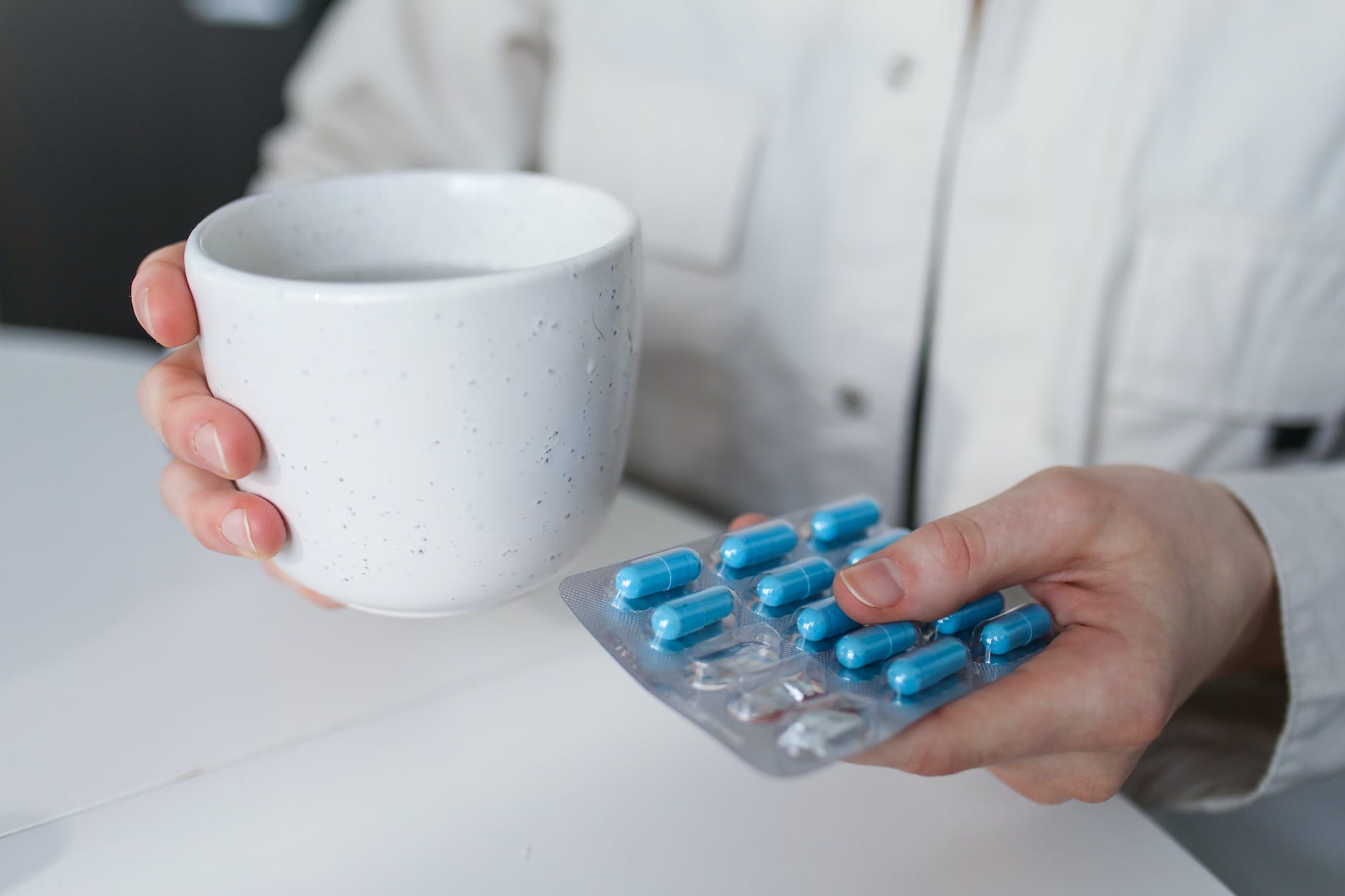
If you’re traveling or living in Japan and need to find Tylenol or Panadol, this article is for you.
Where to Find Tylenol or Panadol In Japan
If you’re traveling or living in Japan and you rely on Tylenol or Panadol, you may be surprised to learn that these common over-the-counter pain relievers are not widely available in Japanese pharmacies. But don’t worry – there are alternatives you can use, and if you know where to look, you can find Tylenol and Panadol in Japan. In this article, we’ll explore the differences between the two drugs, their common uses, and where you can find them in Japanese pharmacies.
Understanding Tylenol and Panadol
What is Tylenol?
Tylenol is a brand of acetaminophen, a widely used pain reliever and fever reducer. It works by blocking the production of prostaglandins, which are chemicals that cause pain and inflammation in the body. Tylenol is available in various forms, including tablets, capsules, liquid, and suppositories, and it is generally safe and effective when used as directed.
What is Panadol?
Panadol is a brand of paracetamol, which is also known as acetaminophen. Like Tylenol, Panadol is used to relieve pain and reduce fever, and it works by blocking prostaglandin production. Panadol is available in various forms, including tablets, caplets, liquid, and suppositories, and it is also generally safe and effective when used as directed.
Differences between Tylenol and Panadol
While Tylenol and Panadol are both forms of acetaminophen, they may have different inactive ingredients and dosages. Additionally, Tylenol is more commonly sold in the United States and other countries, while Panadol is more commonly sold in Europe and Asia. However, for the purposes of pain relief and fever reduction, they are essentially the same.
Common Uses of Tylenol and Panadol
Tylenol and Panadol are two of the most popular over-the-counter pain relievers in the world. They are both effective at relieving mild to moderate pain, such as headaches, menstrual cramps, and muscle aches. However, did you know that they can also be used for other purposes?
1. Pain Relief
As previously mentioned, Tylenol and Panadol are both effective at relieving pain. They work by blocking the production of prostaglandins, which are chemicals in the body that cause pain and inflammation. They can also be used to alleviate pain from dental procedures, arthritis, and back pain.
It is important to note that while these drugs are effective at relieving pain, they should not be used for long-term pain management without consulting a doctor. Long-term use of these drugs can lead to liver damage and other serious health problems.
2. Fever Reduction
In addition to pain relief, both drugs are also effective at reducing fever. Fever is a common symptom of infections such as colds and flu. By reducing fever, Tylenol and Panadol can help you feel more comfortable and hasten recovery.
It is important to note that while these drugs can help reduce fever, they should not be used to lower a fever below 100.4°F (38°C) unless directed by a doctor. Fever is the body’s natural response to infection, and lowering it too much can actually prolong the illness.
3. Alleviate the discomfort associated with Cold and Flu Symptoms
Tylenol and Panadol can also be used to relieve cold and flu symptoms such as coughs, sore throat, and congestion. They do not cure the underlying infection, but they can help alleviate the discomfort associated with these conditions.
It is important to note that while these drugs can help relieve symptoms, they should not be used as a substitute for rest and hydration. Getting plenty of rest and drinking fluids is essential for a speedy recovery.
In conclusion, Tylenol and Panadol are versatile drugs that can be used for a variety of purposes. However, it is important to use them responsibly and only as directed by a doctor or pharmacist.
Finding Tylenol and Panadol in Japanese Pharmacies
If you’re planning a trip to Japan and suffer from headaches or other types of pain, it’s important to know how to find pain relievers like Tylenol or Panadol. While these drugs are easily found in many countries, they may not be as readily available in Japan. However, with a little knowledge and preparation, you can easily find what you need.
Where is a pharmacy or a drug store in Japan?
As mentioned in the original text, pharmacies in Japan are usually identified by the kanji 薬局 (yakkyoku) or ドラッグストア (drugstore), which are displayed on the storefront or sign.
Here are some examples of popular drugstore in Japan…
- Welcia : ウェルシア
- Sugi Drugstore : スギ薬局
- Sun Drug : サンドラッグ
- Matsumoto Kiyoshi : マツモトキヨシ
- HAC Drug : ハックドラッグストア
- CREATE SD : クリエイトSD
In addition to standalone pharmacies, you may also find drugstores inside department stores or supermarkets. These stores may have a smaller selection of drugs, but they can still be a convenient option if you’re already shopping in the area.
Asking for Tylenol or Panadol
Once you’ve located a drug store, you can ask the pharmacist for Tylenol or Panadol by using their generic names, acetaminophen. However, it’s important to note that some pharmacists in Japan may not speak English, so it’s a good idea to bring a translation app or phrasebook with you.
If you’re not sure which pain reliever is right for you, the pharmacist may be able to suggest alternative options based on your needs and medical history.
Here are some examples of OTC medications with active ingredient of acetaminophen or paracetamol in Japan.
◾️Tylenol : タイレノール
– Content : Active ingredient of acetaminophen 300mg in 1 tablet
– Directions : Take 1 tablet per time orally (up to 3 times a day)
– Age : For 15 years old and over
– Product information in English : Click here


◾️Acetaminophen A : アセトアミノフェン錠A
– Content : Active ingredient of acetaminophen 300mg in 1 tablet
– Directions : Take 1 tablet per time orally (up to 3 times a day)
– Age : For 15 years old and over
– Product information in Japanese : Click here


◾️Rackle : ラックル
– Content : Active ingredient of acetaminophen 300mg in 1 tablet
– Directions : Take 1 tablet per time orally (up to 3 times a day)
– Age : For 15 years old and over
– Product information in Japanese : Click here


Although Tylenol and Panadol may not be as widely available as they are in other countries, there are still options for pain relief and fever reduction in Japan. By understanding the differences between these drugs and their common uses, and by knowing where to find them in Japanese pharmacies, you can ensure that you have the necessary medication to stay comfortable and healthy during your stay in Japan.
The standard dosage of acetaminophen that is commonly sold in Japan is 200-300mg per tablet, which may be different from your medications in your home country. It’s important to carefully read and follow the instructions provided by healthcare professionals or on the product packaging to ensure appropriate dosing.
It is crucial to use Acetaminophen responsibly and adhere to recommended dosages to avoid potential side effects or overdose. Always consult with a healthcare professional, such as a pharmacist or doctor, if you have any questions or concerns regarding the appropriate form and dosage of Acetaminophen for your specific needs.
The next article will be about about different types of OTC Acetaminophen for a family with young children…
NEXT : 5 Different Forms of OTC Acetaminophen in Japan- For a family with young Children
Comments